
Backup Power
Generator Installation Services in Toronto and the GTA
Keep essential circuits running when the grid goes down. Addis Electric plans and installs generator connections for homes and businesses across Toronto and the GTA, with safe transfer equipment at the centre of every job.
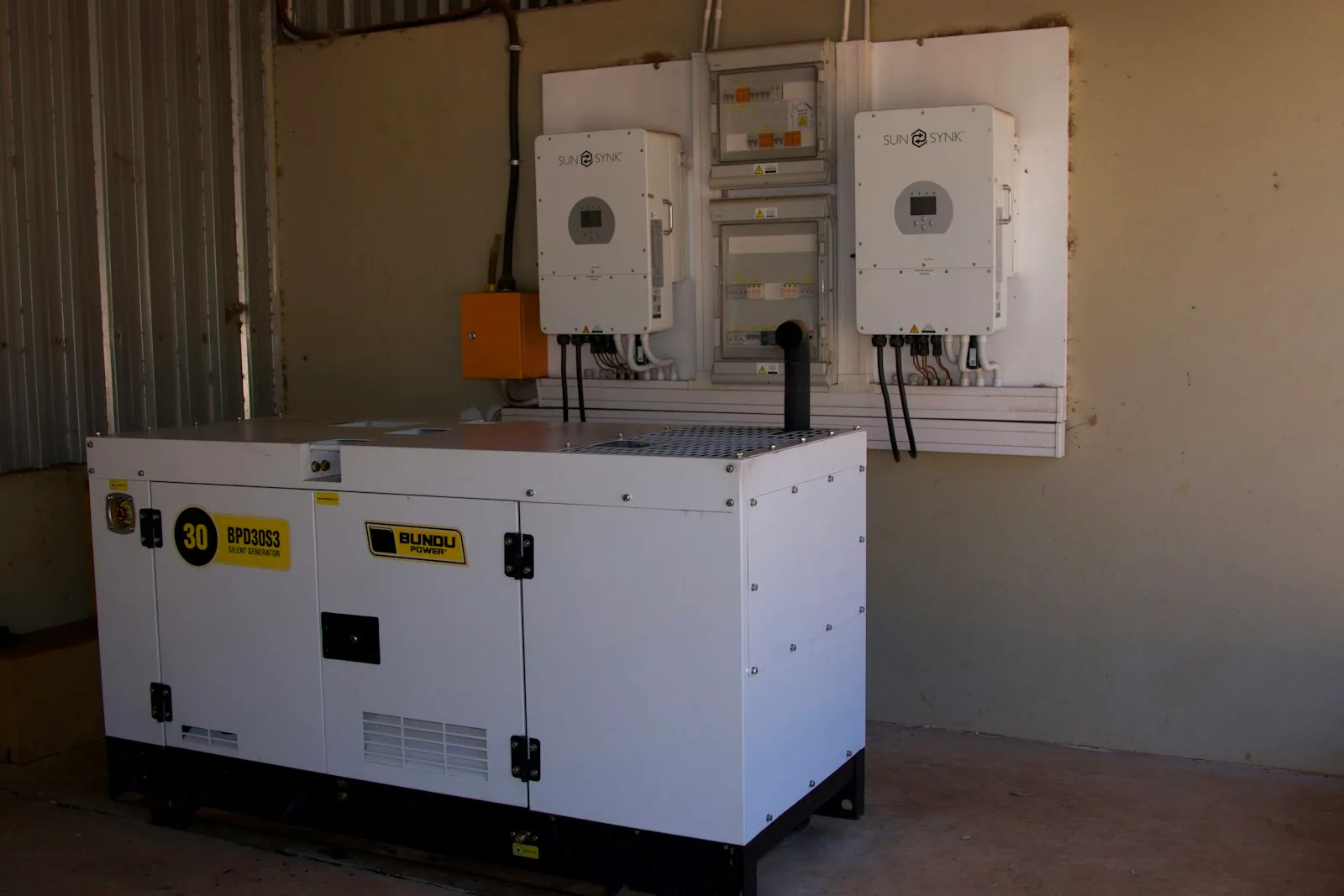
Backup Power That Is Connected the Right Way
Ice storms, summer thunderstorms and equipment failures can leave whole neighbourhoods without power for hours or longer. For some households that means a cold house and a fridge full of spoiled food. For others, such as people who work from home or rely on a sump pump to keep the basement dry, an outage can quickly become a serious problem.
A generator can bridge that gap, but only if it is connected to your electrical system safely. Addis Electric focuses on the electrical side of generator installation: choosing a suitable connection method, installing transfer equipment and making sure the generator can never send power back into utility lines.
Standby and Portable Generator Connections
There are two broad ways to add backup power to a property, and the electrical work is different for each.
Permanently installed standby generators
A standby generator sits outside on a suitable base and is wired permanently into your electrical system. Paired with an automatic transfer switch, it can start on its own when the power fails and hand the load back to the utility once service returns. Fuel supply connections are handled by appropriately qualified trades, while we take care of the electrical connections.
Portable generator inlet connections
A portable generator is a more budget-conscious option. Rather than running extension cords through a window, we can install an exterior power inlet connected to a manual transfer switch or a panel interlock. During an outage you roll the generator out, plug it into the inlet and choose which circuits to power.
Why transfer equipment matters
Connecting a generator to household wiring without proper transfer equipment, often called backfeeding, is dangerous and should never be attempted. It can energize utility lines that crews believe are dead and put your home and equipment at risk. A transfer switch or approved interlock keeps your home isolated from the grid whenever the generator is running.
What a Properly Installed Generator Gives You
A well-planned generator connection is about more than having a machine in the garage. It is about being ready when the lights go out.
-
Power for what matters most
We help you prioritize essential circuits such as heating controls, refrigeration, sump pumps, some lighting and internet equipment.
-
Safe isolation from the grid
Transfer equipment keeps generator power inside your home and out of the utility network.
-
Less scrambling during outages
No tangle of extension cords. Selected circuits are powered from a single connection point, or automatically with a standby system.
-
A plan sized to your needs
We review what you want to run so the connection method matches realistic loads.
Generator Services We Provide
If a generator project reveals an older or crowded panel, we can include an electrical panel upgrade in the same plan.
- Electrical connection of standby generators
- Automatic transfer switch installation
- Manual transfer switch installation
- Panel interlock kits for portable generators
- Exterior generator inlet boxes
- Essential-circuit load planning
- Sub-panels for critical loads
- Generator connections for commercial properties
Why Choose Addis Electric for Generator Installation
Backup power only helps if it works safely when you need it. That is how we approach every generator job.
- Safety-first connection methods. Every setup we install uses proper transfer equipment. We never recommend shortcuts.
- Honest sizing conversations. We help you understand what a generator can realistically run, so you are not paying for more than you need or left short in an outage.
- Clear, usable installations. Inlets, switches and wiring are placed thoughtfully and labelled so the system is easy to operate under pressure.
- Homes and businesses. Alongside residential work, we provide commercial electrical services for properties that need to keep key systems running.
How Your Generator Project Comes Together
-
1
Discuss your backup power goals
We talk about what you need to keep running during an outage and whether a standby or portable setup suits your property and budget.
-
2
Assess your electrical system
We look at your panel, identify essential circuits and choose a transfer switch or interlock approach that fits.
-
3
Install the connection equipment
We install the transfer equipment, inlet or generator wiring and any sub-panel, with permits arranged where required.
-
4
Test and show you how it works
We test the switchover and walk you through operating the system safely when the power goes out.
Generator Installation for Toronto and GTA Properties
Southern Ontario weather keeps backup power on many homeowners' minds. Winter storms can bring down lines under ice and heavy snow, and summer storms can knock out power just as quickly. Homes with finished basements often depend on a working sump pump, which makes a reliable backup plan especially worthwhile.
Space is the other local factor. Detached homes in the suburbs usually have room for a standby unit, while semis and townhomes in the city may be better suited to a portable generator with an exterior inlet. Condo residents generally rely on building systems, but freehold townhome owners can often add an inlet-based setup. We will help you work out what is practical for your property, including placement considerations.
We work with homeowners and businesses across Toronto and the wider GTA. See our service areas for more details.
Generator Installation FAQs
What is the difference between a transfer switch and an interlock?
Both prevent your generator from feeding power back into the utility grid. A transfer switch is a separate device that moves selected circuits between utility and generator power, and it can be manual or automatic. An interlock is a mechanical device fitted to your panel that allows only the main breaker or the generator breaker to be on at one time.
Can I plug my generator into a wall outlet?
No. Feeding power into your home through an outlet, sometimes called backfeeding, is extremely dangerous. It can injure utility workers and damage your home's electrical system. A proper inlet with a transfer switch or interlock is the safe way to connect a portable generator.
Should I choose a standby or portable generator?
It depends on your budget, how much you want to power and how hands-on you want to be during an outage. Standby units can start automatically and power more of the home, while portable generators with an inlet connection cost less and suit essential circuits. We can walk you through the trade-offs.
Which circuits can a generator power?
That depends on the generator's output and the connection method. Homeowners typically choose essentials such as the furnace, refrigerator, sump pump, some lighting and internet equipment, and we plan the installation around those loads.
Where can a standby generator be placed?
Placement depends on the manufacturer's clearance requirements, local rules and the layout of your property, including distance from windows, doors and neighbouring buildings. We review the proposed location during our assessment.
Can a generator be connected if my panel is old or full?
Often, yes, although an older or crowded panel may need attention first. We assess the panel during our visit and let you know whether a sub-panel, an upgrade or other changes would make the installation safer and simpler.
Plan Your Backup Power Before the Next Outage
Talk to Addis Electric about a generator connection that suits your home, your budget and the circuits you rely on most.
Related Electrical Services
Talk to Us About Your Generator
Whether you already own a generator or are still deciding, get in touch with Addis Electric to arrange an assessment in Toronto or across the GTA.